
How to Prevent Injuries in Jiu-Jitsu: The Ultimate Safety Guide
Brazilian Jiu-Jitsu (BJJ) is a contact sport. By definition, it involves grappling, joint locks, and chokes. Consequently, many beginners worry about safety. They ask, “Will I get hurt?” The answer depends largely on how you approach your training. At Gracie Barra Fulshear, we believe that BJJ should be a lifelong journey. Therefore, injury prevention is our top priority.
You cannot improve if you are off the mats. Longevity is the key to mastery. While accidents can happen in any physical activity, most BJJ injuries are preventable. They often result from ego, lack of preparation, or poor technique. By following specific protocols, you can minimize risk significantly.
This comprehensive guide will teach you how to prevent injuries in Jiu-Jitsu. We will cover mindset, physical preparation, and safe training habits. Follow these rules to stay healthy and keep rolling for decades.
BRAZILIAN JIU JITSU IN FULSHEAR
1. The Most Important Rule: Leave Your Ego at the Door
The number one cause of injury is not a dangerous technique. It is the ego. We all want to win. We hate to lose. However, refusing to accept defeat is dangerous.
Tap Early and Tap Often
“Tapping out” is the signal that you give up. It resets the match. Beginners often view tapping as a failure. This is wrong. Tapping is learning. It is a safety mechanism.
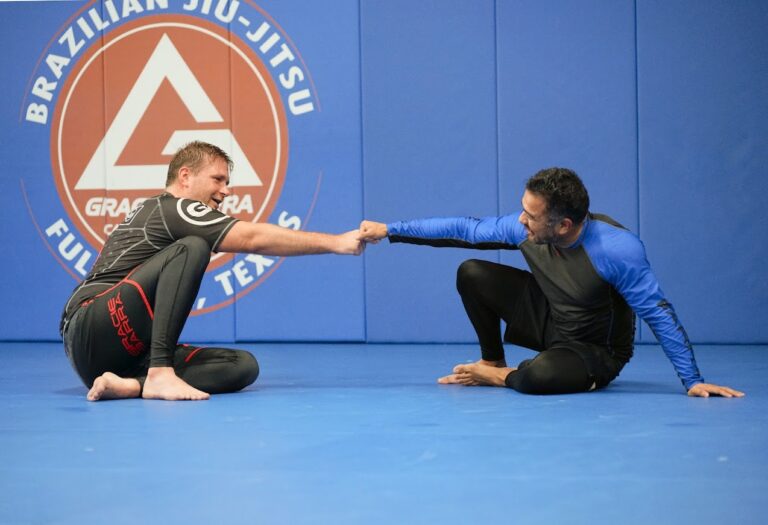
If you are caught in an armbar, do not wait until it hurts. Tap immediately. If you fight a submission too long, your joint will suffer. At Gracie Barra Fulshear, we teach students that there is no shame in tapping. It means you respect the technique. It ensures you can train again tomorrow.
Accepting Bad Positions
Sometimes, you will get stuck in a bad spot. You might be flattened out. You might be exhausted. Trying to explode out of a bad position using pure strength often leads to muscle tears.
Instead, relax. Protect your neck and limbs. Wait for an opening. Frantic, uncontrolled movements are a recipe for disaster. Accepting a disadvantageous position is better than injuring yourself trying to escape it forcefully.
2. Proper Warm-Up is Non-Negotiable
You arrive late. You rush onto the mats. You start sparring immediately. This is how you pull a muscle. Cold muscles are like frozen rubber bands. They snap easily.
Dynamic Stretching
Static stretching (holding a stretch) is for after class. Before class, you need dynamic movement. You need to get blood flowing to your joints.
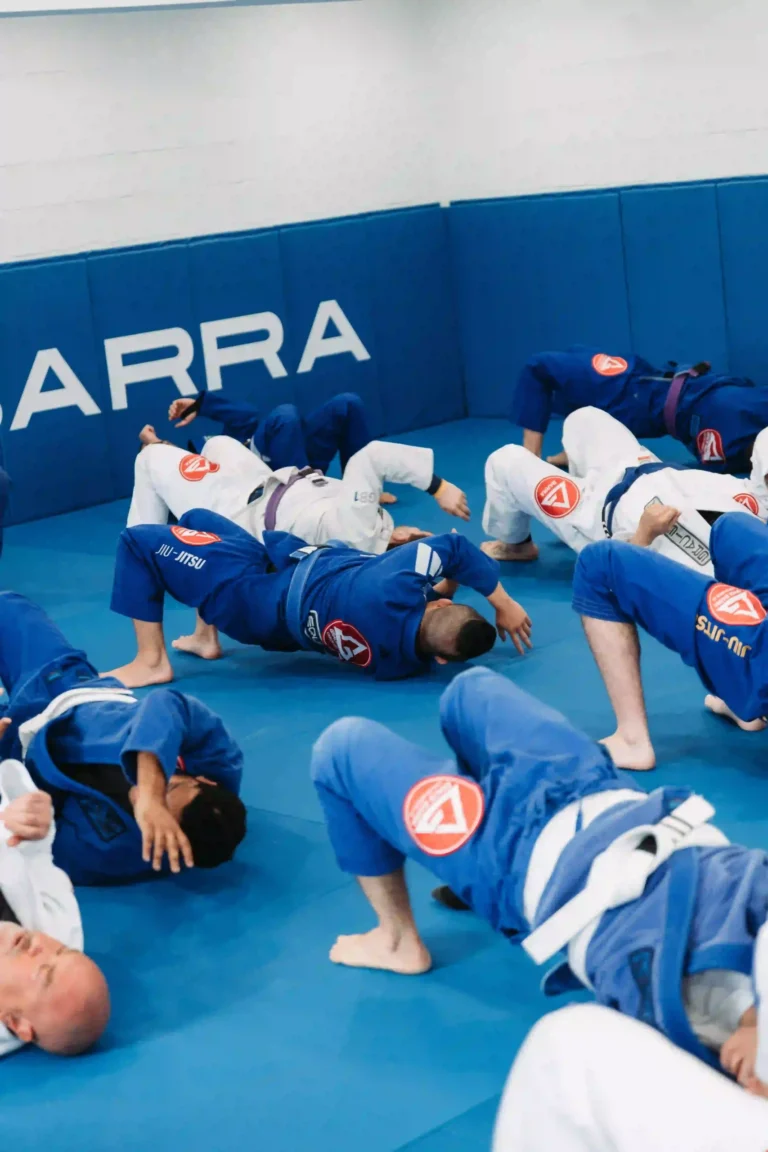
Our warm-ups at Gracie Barra Fulshear are designed for this. We do hip escapes. We do bridges. We run and shuffle. These movements mimic BJJ techniques. They prepare your body specifically for the demands of grappling. Never skip the warm-up. It is the first line of defense against injury.
Mobility Work
Jiu-Jitsu requires your body to move in unique ways. Tight hips or stiff shoulders limit your range of motion. If you force a stiff joint past its limit, injury occurs.
Work on your mobility outside of class. Yoga is an excellent complement to BJJ. Five minutes of daily mobility work can save you months of rehab. A flexible body is a resilient body.
3. Choose Your Training Partners Wisely
You are not required to roll with everyone. You have the right to decline a round. This is crucial for safety.
Avoiding the “Spazzy” Beginner
We have all seen them. The new guy who treats every round like the Mundials finals. They move erratically. They use elbows and knees carelessly.
If you do not feel safe, do not roll with them. Politely decline. Or, ask an instructor to supervise. At Gracie Barra Fulshear, we monitor beginners closely. We pair them with experienced students who can control the pace. However, you must also be proactive about your safety.
The Value of Higher Belts
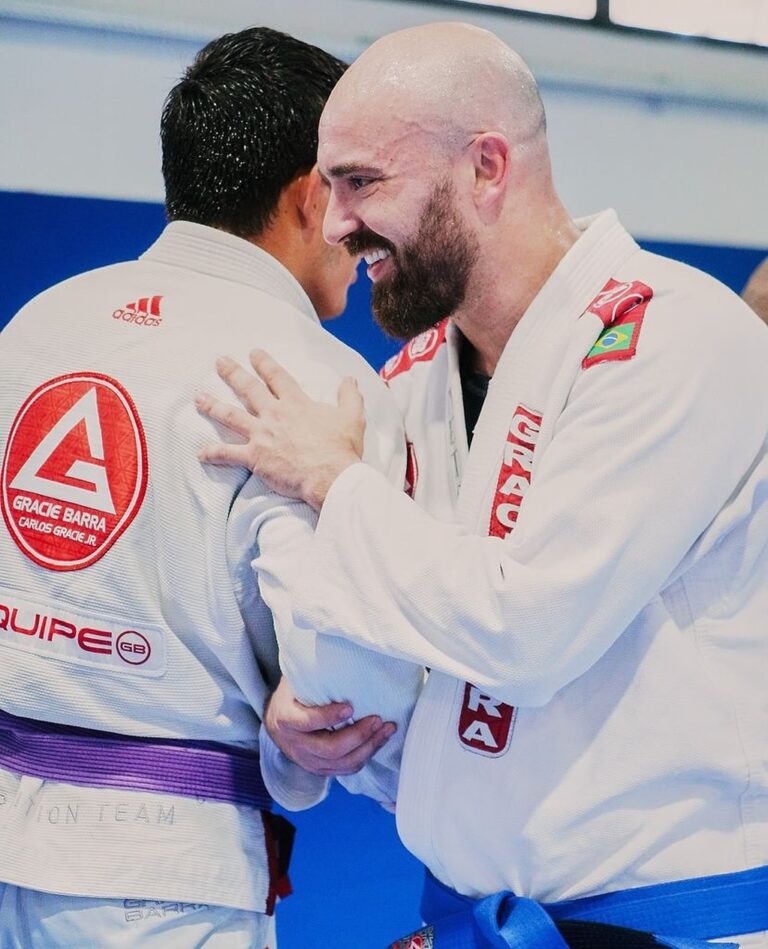
Colored belts (Blue, Purple, Brown, Black) have control. They know how to apply pressure without hurting you. They can catch a submission and release it gently.
Rolling with higher belts is often safer than rolling with peers. They do not need to prove anything. They can flow. Seek out these partners, especially when you are tired or nursing a minor ache.
4. Strength Training: Building Your Armor
Some people say BJJ is all you need. We disagree. Strength training is essential for injury prevention. Muscles protect joints.
Functional Strength
You do not need to be a bodybuilder. You need functional strength. Squats, deadlifts, and pull-ups build a robust frame. Strong neck muscles prevent whiplash. Strong legs protect your knees.
Think of strength training as building armor. When you are strong, you are harder to break. You can withstand the pressure of a heavy opponent. We encourage all our members at Gracie Barra Fulshear to engage in some form of resistance training.
Correcting Imbalances
BJJ involves a lot of pulling and curling. This can lead to posture issues. You might develop rounded shoulders.
Strength training balances this out. You should focus on pushing exercises. You should strengthen your posterior chain (back and glutes). A balanced body functions better and lasts longer.
5. Listen to Your Body
Pain is a signal. It is your body telling you something is wrong. Ignoring it is foolish.
The Difference Between Soreness and Pain
Muscle soreness is normal. Sharp pain in a joint is not. If your knee hurts every time you pivot, stop. Do not train through it.
Rest is a valid training tool. Taking two days off to let a tweak heal is better than taking six months off for surgery. Use ice. Use heat. See a doctor if necessary.
Sleep and Nutrition
Your body repairs itself while you sleep. If you are sleep-deprived, your reaction time slows down. You become clumsy. This increases the risk of accidents.
Nutrition plays a role too. Calcium and Vitamin D build strong bones. Protein repairs tissues. Hydration keeps joints lubricated. Treat your body like a high-performance machine. Fuel it correctly to withstand the rigors of training at Gracie Barra Fulshear.
6. Hygiene: The Invisible Injury
Infections are injuries too. Ringworm or Staph can keep you off the mats for weeks. Preventing skin infections is part of safety.
Clean Gear, Clean Body
Wash your Gi and belt after every single class. No exceptions. Bacteria thrive in damp, sweaty fabric. Shower immediately after training using soap.
We take hygiene seriously at our academy. We sanitize mats daily. We ask students to keep fingernails trimmed. Short nails prevent scratches and cuts. These small habits protect the entire community.
7. Technical Proficiency Over Force
Good technique is safe technique. When you do a move correctly, it requires less force. It puts less strain on your own body.
Understand the Mechanics
Ask questions. Understand why a move works. If you are trying to force a square peg into a round hole, you will get hurt.
Our instructors break down the mechanics in detail. We focus on leverage. When you understand the fulcrum and the lever, you don’t need to explode. You can move smoothly. Smooth movement is safe movement.
Drill for Precision
Drilling builds muscle memory. When you drill slowly and correctly, you program your nervous system. In the heat of sparring, you will revert to your training.
If your training is sloppy, your sparring will be dangerous. If your drilling is precise, your sparring will be controlled. Aim for perfection in every rep at Gracie Barra Fulshear.
8. Communication is Key
BJJ is a partnership. You must communicate with your partner.
Verbalize Injuries
If you have a sore shoulder, tell your partner. Say, “Please be careful with my right arm.” Most partners will respect this. They will avoid attacking that side.
If you do not tell them, they do not know. Communication prevents accidental aggravation of existing issues.
Ask for Feedback
If a position feels dangerous, stop. Ask your instructor, “Is my leg safe here?” We are here to help. We would rather stop a round to correct a dangerous position than fill out an accident report.
Conclusion
Preventing injuries is a proactive process. It requires mindfulness. It requires checking your ego. It requires taking care of your body off the mats.
Jiu-Jitsu is a marathon, not a sprint. We want you to train for life. We want you to earn your black belt. That takes time. You cannot rush the process, but you can certainly delay it by getting hurt.
BRAZILIAN JIU JITSU IN FULSHEAR
At Gracie Barra Fulshear, we provide the safest possible environment. We provide the structure. The rest is up to you. Train smart. Stay safe. Keep rolling.
Are you looking for a safe place to start your journey? We invite you to join us. Schedule your free introductory class today. Experience the Gentle Art the right way.