
A First Tournament Is a Team Experience
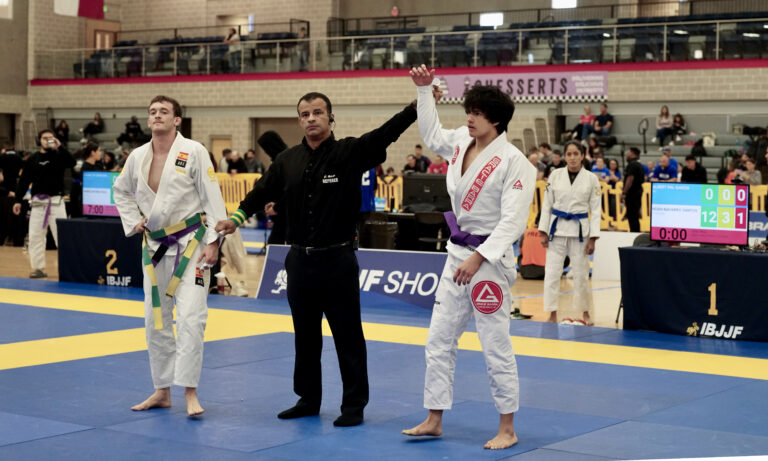
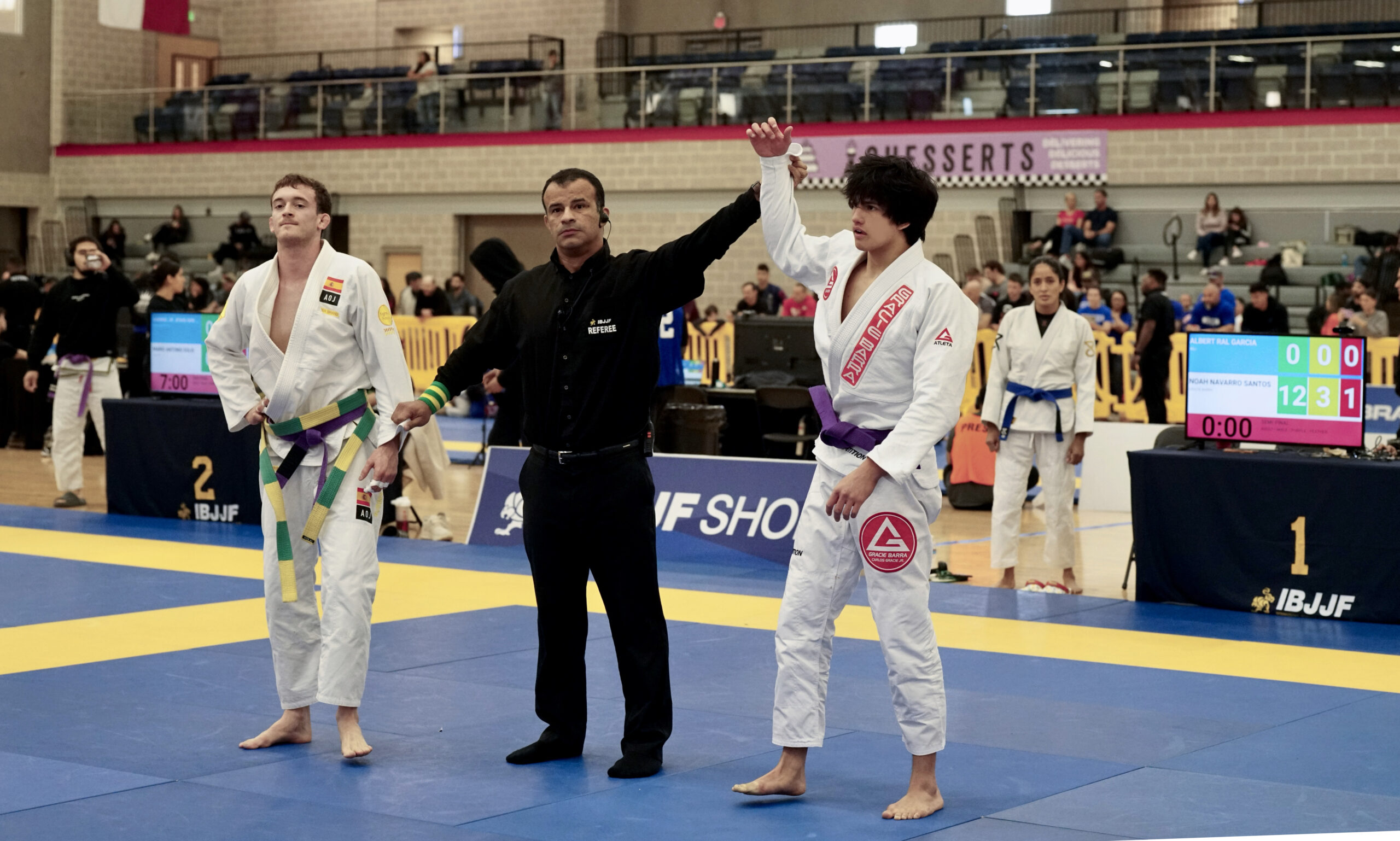
If you’re wondering how to support a teammate at a Jiu-Jitsu tournament, start by remembering that your presence can matter more than having the perfect advice. A first event can bring excitement, nerves, long waits, and plenty of unfamiliar moments. For someone training in Fulshear, having a familiar face nearby can make the day feel less overwhelming.
At Gracie Barra Fulshear, people may arrive at competition day with different goals. Some want to test themselves; others are there to learn what the experience feels like. Either way, support works best when it follows what the competitor wants, instead of adding another expectation to an already busy day.

Discover Gracie Barra Fulshear
Explore the AcademyBefore the Event, Ask What Would Help
It is easy to assume that encouragement means giving a pep talk or offering advice. A better first step is to ask a simple question: “What would be helpful from me on the day?” The answer might be a ride, help keeping track of belongings, a familiar person in the audience, or simply a little room to focus.
That question also respects the fact that each competitor handles pressure differently. One teammate may enjoy conversation and jokes; another may prefer a quiet moment before stepping onto the mat. Following their lead can keep your support kind and specific rather than adding pressure to perform a certain way.
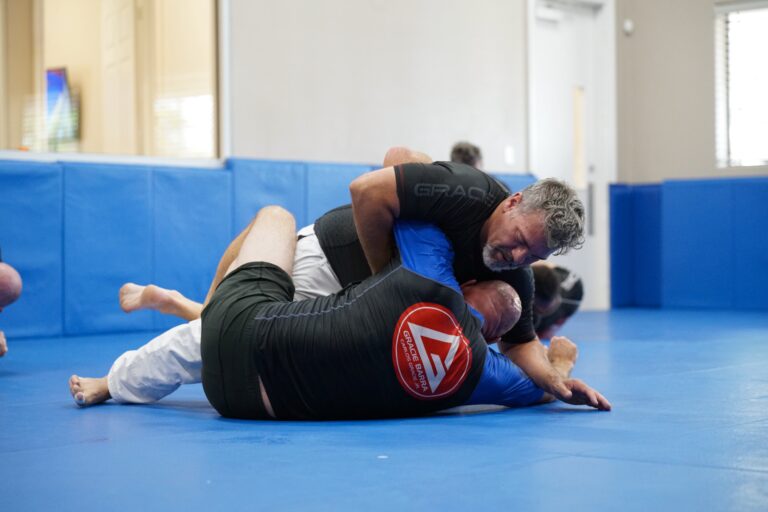
If they want to talk about preparation, listen without turning the conversation into coaching. The academy’s competition training overview covers the preparation side; your role as a teammate can be to help the person feel supported while they handle the plan they have already made.
On Tournament Day, Make Encouragement Easy to Receive
Tournament days can involve waiting, schedule changes, and unfamiliar surroundings. A supportive teammate does not need to manage every detail. Staying patient, helping with a small practical task when asked, and keeping expectations flexible can make the day more comfortable for everyone.
Be present without taking over
Let the competitor decide how much conversation they want. If they are focused, a smile, a wave, or a short “I’m glad I’m here with you” may be enough. If they want company between matches, stay available without pressing them to discuss what is coming next.
This kind of support can be especially useful for a first event because the routine is new. A family member or friend can help the competitor feel connected to everyday life, even while the schedule and setting feel different. The school’s family Jiu-Jitsu perspective offers a related look at how people can share the experience of training.
Keep your words simple and respectful
“I’m cheering for you,” “I’m proud of the effort you put in,” and “I’m here if you need anything” are clear without making a promise about the result. Avoid shouting instructions from the sidelines unless the competitor has specifically asked for that kind of input. They may already be listening to their coach and trying to stay present.
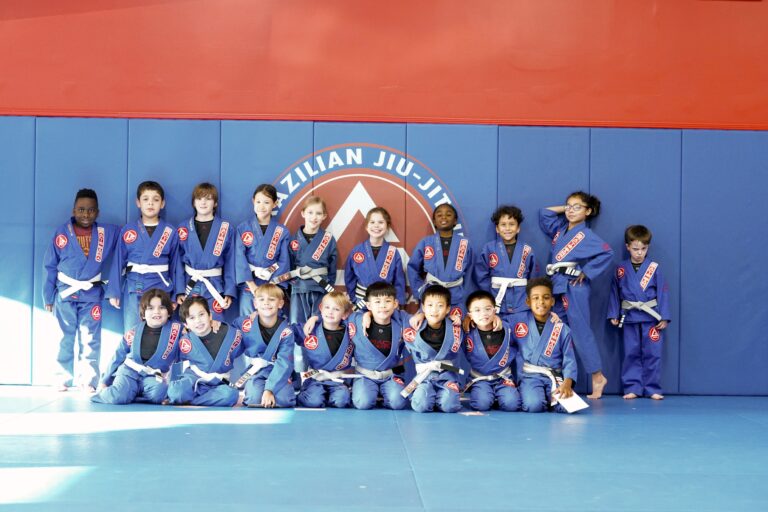
For a younger athlete, calm encouragement can help keep the event in perspective. The academy’s article on why kids enjoy Jiu-Jitsu describes the sport as an experience that includes learning and participation, not just a final score. That same spirit can help adults support a child without making one match define the whole day.
Afterward, Let the Competitor Set the Tone
When the match ends, give the competitor time to take in what happened. They may feel happy, disappointed, tired, relieved, or several things at once. A quick “How are you feeling?” leaves room for an honest answer; immediately analyzing what they should have done can make the moment feel like a performance review.
If they want to talk, listen first. If they would rather eat, rest, or change the subject, respect that too. You can recognize the effort involved in showing up without pretending the result does not matter to them or insisting that they should feel a certain way.
Stories of competition can include many different experiences. Coach Noah’s competition journey is one example from the academy’s blog; it does not mean every student needs the same path. Each person can decide what they want to take from their own first event.
A Simple Support Plan for the Day
Before leaving, confirm what kind of company and practical help the competitor wants. During the event, follow their lead, keep encouragement calm, and avoid adding unsolicited instructions. Afterward, ask how they are doing and give them space to talk—or not talk—about the experience.
That approach leaves room for the competitor to have their own day. It also gives friends and family a useful role: being steady, thoughtful company without making the outcome the only thing worth remembering.
Remember the Person Beyond the Match
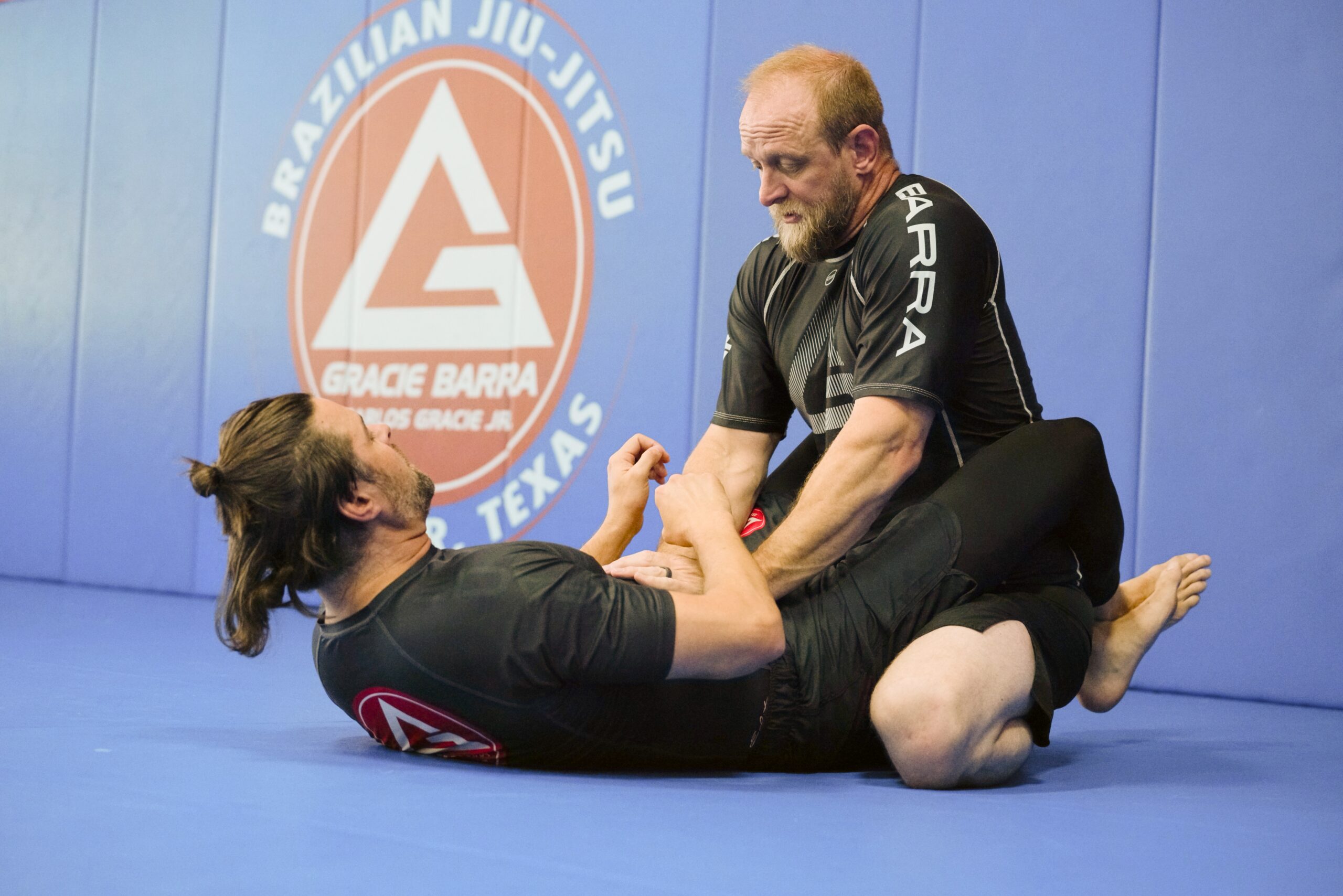
A first tournament is one part of a person’s Jiu-Jitsu experience, not a complete measure of what they have learned or who they are. Showing up, trying something unfamiliar, and deciding what to do next all belong to the story. Gracie Barra Fulshear is part of a local training community where teammates can encourage one another in ways that respect each person’s choices.
Whether your teammate leaves excited, thoughtful, or ready for a quiet ride home, let them know you appreciated being included. Your calm support can help the day feel shared, while leaving the competitor free to define what the experience meant to them.
Discover Gracie Barra Fulshear
Explore the AcademyEvery First Event Deserves Thoughtful Support
Supporting a teammate at a first tournament does not require a perfect speech. Ask what would help, be present in the way they prefer, and let them decide how to reflect afterward. At Gracie Barra Fulshear, each person can choose what participation and progress mean to them; a good teammate makes room for that choice.